A homeowner in Tacoma called me last spring to fix a kitchen remodel gone wrong. She’d hired a contractor who gave her the lowest bid by $9,000. Three months into the project, he’d disappeared mid-job, leaving her with a half-demolished kitchen, exposed wiring, and $22,000 already paid. I finished her kitchen for $31,000 more. The “cheap” remodel ended up costing $53,000 total. The honest bid she turned down was $38,000.
That’s the most extreme example, but I see some version of this story regularly. After 20+ years in the trades and running Pacific Remodeling in Puyallup since 2018, I’ve encountered nearly every remodeling mistake a homeowner can make. Most of them are completely avoidable with the right information.
Here are the 12 mistakes that cost homeowners the most money, time, and frustration, along with exactly how to avoid each one.
Mistake #1: Choosing a Contractor Based on Price Alone
This is the most expensive mistake on this list. Not because the lowest bid is always bad, but because a suspiciously low bid almost always means something is missing from the scope.
I’ve lost bids to contractors who priced $8,000-$12,000 lower than me. Then I get the call 6 months later to fix the problems. Common issues with ultra-low bids:
- No permit costs included. The contractor skips permits entirely, which creates legal and resale problems.
- Cheap materials substituted. The bid says “tile,” but doesn’t specify. You get $2-per-square-foot tile instead of $8.
- No contingency for surprises. When they find rot behind the shower wall (and they will, in most PNW homes over 20 years old), it becomes a change order that doubles the original bid.
- Unlicensed or uninsured. No bond. No workers’ comp. If someone gets hurt on your property, you’re liable.
How to avoid it: Get 3 bids minimum. Compare the scope line by line, not just the total. If one bid is 25%+ lower than the others, ask why. Check every contractor’s license at lni.wa.gov. Verify insurance. Call references.
Mistake #2: Underbudgeting (or No Contingency)
The Houzz 2025 renovation survey found that 40% of homeowners exceeded their remodeling budget. That’s not surprising. What’s surprising is how many of them had no contingency fund at all.
I tell every client: add 15-20% to your expected budget for surprises. In the Pacific Northwest, those surprises are almost guaranteed in homes over 15 years old. Moisture damage behind tile. Outdated wiring that needs upgrading to meet current code. Plumbing that’s corroded beyond repair. Subfloor rot under vinyl flooring.
Real example: A Bonney Lake couple budgeted $35,000 for a bathroom remodel. During demo, we found the shower pan had been leaking for years. The floor joists under the shower were rotted. Replacing the structural members and subfloor added $4,800 to the project. Their 15% contingency covered it without stress. Without that buffer, they would have faced an impossible choice: stop the project or go into debt.
How to avoid it: Budget 15-20% contingency on every project. Don’t touch that money for upgrades or design changes. It’s insurance against the unknown. For more on realistic budgeting, read my bathroom remodel cost guide or kitchen remodel cost guide.
Mistake #3: Skipping the Planning Phase
Homeowners who rush into construction without a finished design always pay more than homeowners who plan first. Always.
Here’s what happens when you skip planning: you start demo before choosing your backsplash tile. The crew finishes the wall prep and is ready for tile. But you haven’t picked it yet. The crew moves to the next job while you spend two weeks deciding. When they come back, there’s a scheduling gap. That gap costs money because you’re now working around the crew’s other commitments.
Or you choose a vanity that doesn’t fit the space. Or you pick a countertop color that clashes with the cabinets. Or you decide mid-project to move the sink to a different wall, which means replumbing that wasn’t in the original bid.
Every “I’ll decide later” during construction costs $500-$2,000 in delays and changes.
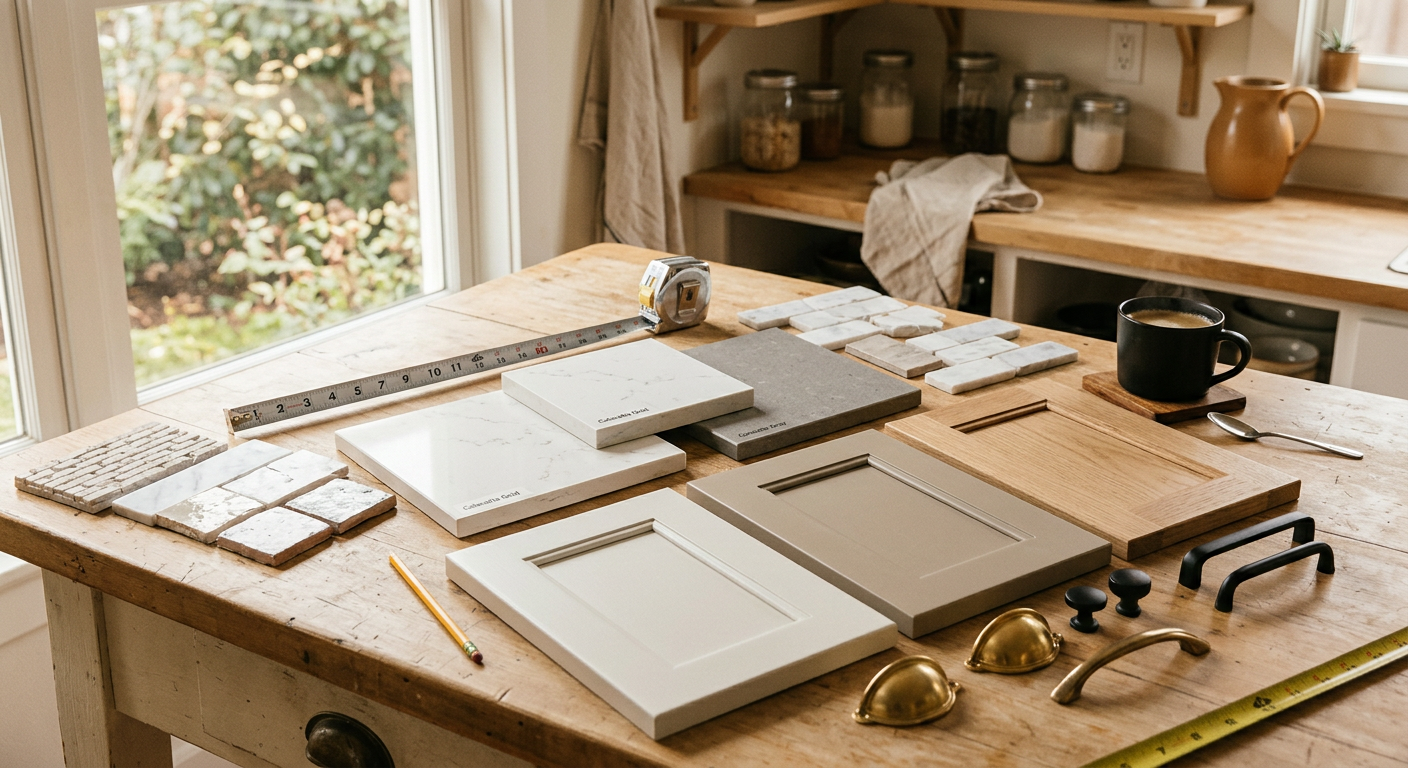
How to avoid it: Complete every material selection before construction starts. Create a detailed scope of work with your contractor. Pick your tile, cabinets, countertops, fixtures, hardware, and lighting before the first hammer swings. I walk clients through a material selection checklist during our design phase specifically to prevent mid-project decisions.
Mistake #4: Ignoring Permits
In Puyallup and across Pierce County, permits are required for any work that involves plumbing modifications, electrical changes, or structural alterations. Some homeowners skip permits to save $500-$1,500 in fees and a few weeks of processing time. That’s a terrible trade.
What happens without permits:
- No inspections. Nobody verifies the plumbing, electrical, or structural work meets code. This is how you end up with a shower that leaks into the ceiling below, or a wall removal that compromises the roof structure.
- Insurance problems. If unpermitted work causes damage (fire from bad wiring, water damage from bad plumbing), your homeowner’s insurance can deny the claim.
- Resale complications. When you sell, the buyer’s inspector will note any additions or changes that don’t have permit records. This creates title issues, negotiation power for the buyer, and sometimes requirements to open walls for inspection.
- Fines. If the city catches unpermitted work, fines in Pierce County start at $500 and go up from there. They can also require you to tear out finished work for inspection.
How to avoid it: Hire a licensed contractor who handles permits as part of the project. At Pacific Remodeling, I pull every permit required and schedule every inspection. It’s built into my process. If a contractor suggests skipping permits “to save you money,” that’s a red flag. For more details on what requires a permit, read my Puyallup remodeling permits guide.
Mistake #5: Chasing Trends Instead of Timeless Design
Trends are fine in small doses. A trendy backsplash tile or a current fixture finish adds personality without committing you to something you’ll regret in five years. But building your entire remodel around the latest trend is risky.
The real cost of trendy design choices:
I’ve remodeled kitchens that were “perfectly trendy” 10 years ago. Tuscan-inspired with heavy iron fixtures. All-white farmhouse with shiplap on every surface. Industrial with exposed brick and Edison bulbs everywhere. Those homeowners are now paying $25,000-$50,000 to redo a kitchen that’s only a decade old because it looks painfully dated.
How to avoid it: Use trends as accents, not foundations. Choose timeless materials for the big-ticket items (cabinets, countertops, flooring) and express personality through easily changeable elements (hardware, paint, backsplash, light fixtures). A white shaker cabinet with quartz countertops will look current in 2036. A bright blue waterfall-edge island might not.
Mistake #6: Not Living in the Space First
If you just bought a home, don’t remodel the kitchen or bathroom immediately. Live in it for 3-6 months first.
You need to understand how you actually use the space before changing it. That weird cabinet layout might make sense once you’ve cooked in the kitchen for a few months. The bathroom you thought needed a complete gut might just need a new vanity and better lighting. Or you might discover problems you didn’t notice during the home inspection that change your priorities entirely.
I had a client in South Hill who planned to spend $45,000 on a kitchen remodel the month after closing. I told him to wait. Three months later, he realized the kitchen layout was actually fine. What he really needed was a master bathroom remodel and better flooring throughout the main level. Completely different project. Completely different budget allocation. He was glad he waited.
How to avoid it: Unless the space is genuinely non-functional (no working appliances, serious safety issues, major water damage), live in it for at least a season before remodeling. You’ll make smarter decisions with firsthand experience.
Mistake #7: Poor Communication With Your Contractor
Most remodeling disputes I hear about don’t start with bad workmanship. They start with mismatched expectations. The homeowner assumed one thing. The contractor assumed another. Nobody put the details in writing.
Common communication failures:
- “I thought the tile went all the way to the ceiling” vs. “The bid was for tile to 48 inches”
- “I expected the work to be done by Thanksgiving” vs. “The timeline was an estimate, not a guarantee”
- “I didn’t know the change order would cost that much” vs. “I quoted the change verbally and they agreed”
How to avoid it: Everything in writing. The scope of work, the materials, the timeline, the payment schedule, and every change order. Before signing a contract, read every line. Ask questions about anything unclear. During the project, confirm changes in writing (even a text message creates a record). A good contractor will welcome this level of detail because it protects both parties.
Mistake #8: DIY on Jobs That Need a Pro
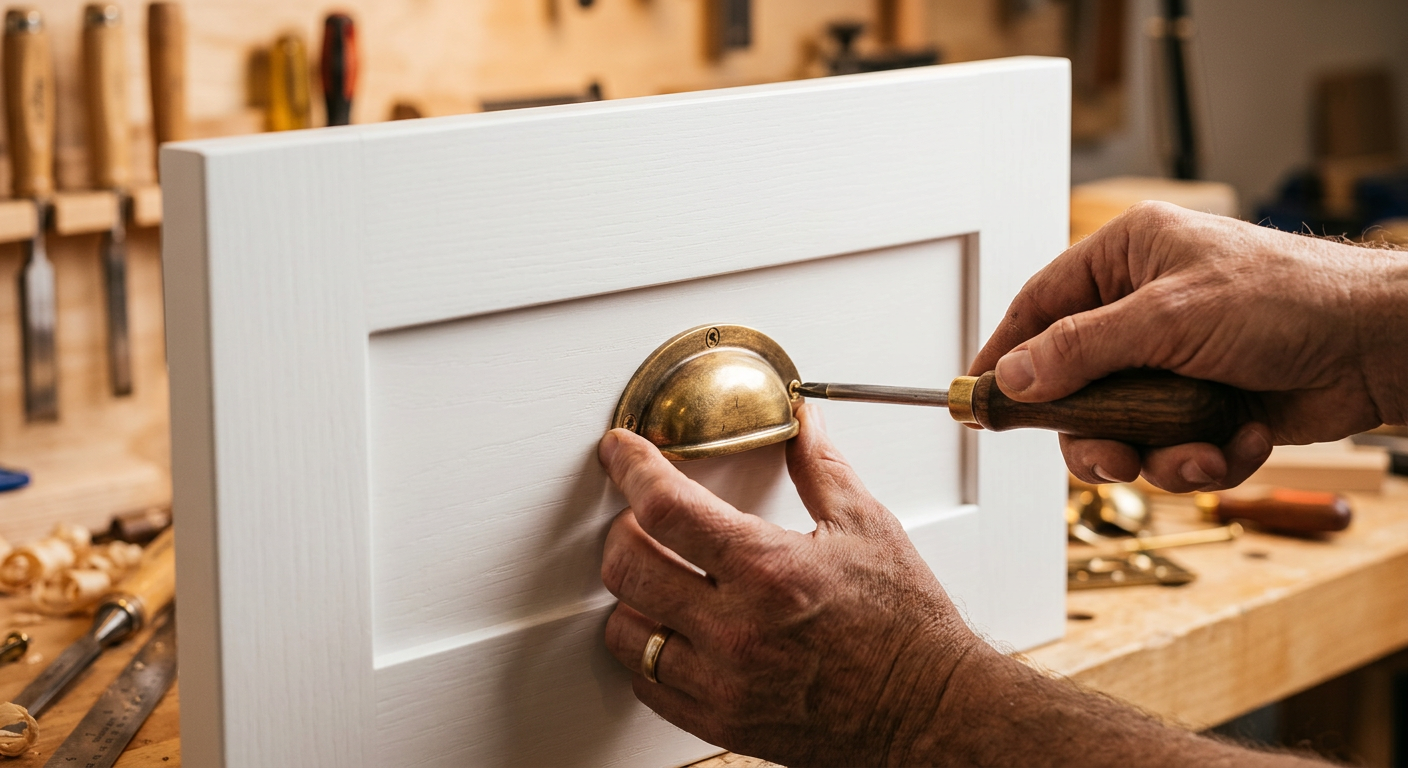
I respect homeowners who want to do work themselves. Some projects are genuinely DIY-friendly: painting, installing cabinet hardware, replacing a faucet, laying a floating floor in a simple room.
Other projects are not DIY-friendly and become expensive when done wrong:
Plumbing. A bad plumbing connection leaks slowly and invisibly. By the time you notice water damage, the subfloor and framing are compromised. A professional plumbing connection costs $150-$500 for a single fixture. Fixing water damage from a bad DIY connection costs $2,000-$10,000.
Electrical. Bad wiring causes fires. That’s not an exaggeration. A licensed electrician costs $75-$150 per hour. A house fire costs everything.
Tile and waterproofing. A shower that isn’t properly waterproofed will leak. You won’t know for 1-2 years. Then you’ll need to tear out the entire shower and start over. I’ve rebuilt dozens of showers that were originally DIY or done by an unqualified handyman.
Structural work. Removing a load-bearing wall without proper engineering and support causes the roof to sag, the floors to dip, and the structure to fail. I’ve seen homes where someone removed a wall without a beam, and the ceiling dropped 2 inches over three years.
How to avoid it: Know your limits. Paint? Go for it. Electrical, plumbing, waterproofing, or structural? Hire a licensed professional. The money you save on DIY disappears the moment something goes wrong.
Mistake #9: Forgetting About Daily Life During Construction
A kitchen remodel takes 6-10 weeks. During that time, you have no working kitchen. No sink, no stove, no oven, no countertop space. If you haven’t planned for this, week two feels like a crisis.
A bathroom remodel takes 4-6 weeks. If it’s your only bathroom, you have a serious logistics problem.
How to avoid it: Before demo starts, set up a temporary kitchen in another room with a microwave, toaster oven, electric kettle, and mini fridge. Plan your meal budget. You’ll eat out more often than usual. A $200-$300/week increase in food spending over 8 weeks is $1,600-$2,400 you should account for in your budget.
For a single-bathroom home, talk to your contractor about prioritizing toilet and shower access during the remodel. A good contractor can usually have basic facilities functional within 7-10 days even while finish work continues.
Mistake #10: Not Future-Proofing the Design
You’re spending $30,000-$80,000 on a remodel. The result should serve you for 15-20 years. That means thinking about your future needs, not just your current ones.
What future-proofing looks like:
- Adding blocking in bathroom walls for future grab bars (costs $200-$400 during construction, $1,000+ to retrofit later)
- Choosing a curbless shower entry that works for all ages and mobility levels
- Running extra electrical circuits to accommodate future needs (EV charger in the garage, home office circuits, additional kitchen appliances)
- Selecting materials that won’t need replacement in 10 years (quartz over laminate, porcelain tile over vinyl in wet areas)
- Wider bathroom doorways (32-36 inches) that accommodate wheelchairs or walkers if ever needed
My aging-in-place bathroom remodel guide covers this topic in detail for bathroom projects.
How to avoid it: During the design phase, ask yourself: “Will this choice still work for me in 15 years?” If not, adjust now while everything is open and accessible.
Mistake #11: Disregarding Energy Efficiency
Energy-efficient upgrades during a remodel pay for themselves over time, and they’re cheapest to install when the walls are already open.
Easy wins during a remodel:
- LED lighting throughout ($50-$150 savings per year in electricity vs. older fixtures)
- Energy Star appliances ($100-$300 savings per year)
- Proper insulation in exterior walls (saves on heating, and you’ll never have easier access than during a remodel)
- Low-flow fixtures in bathrooms (saves $50-$100 per year in water costs)
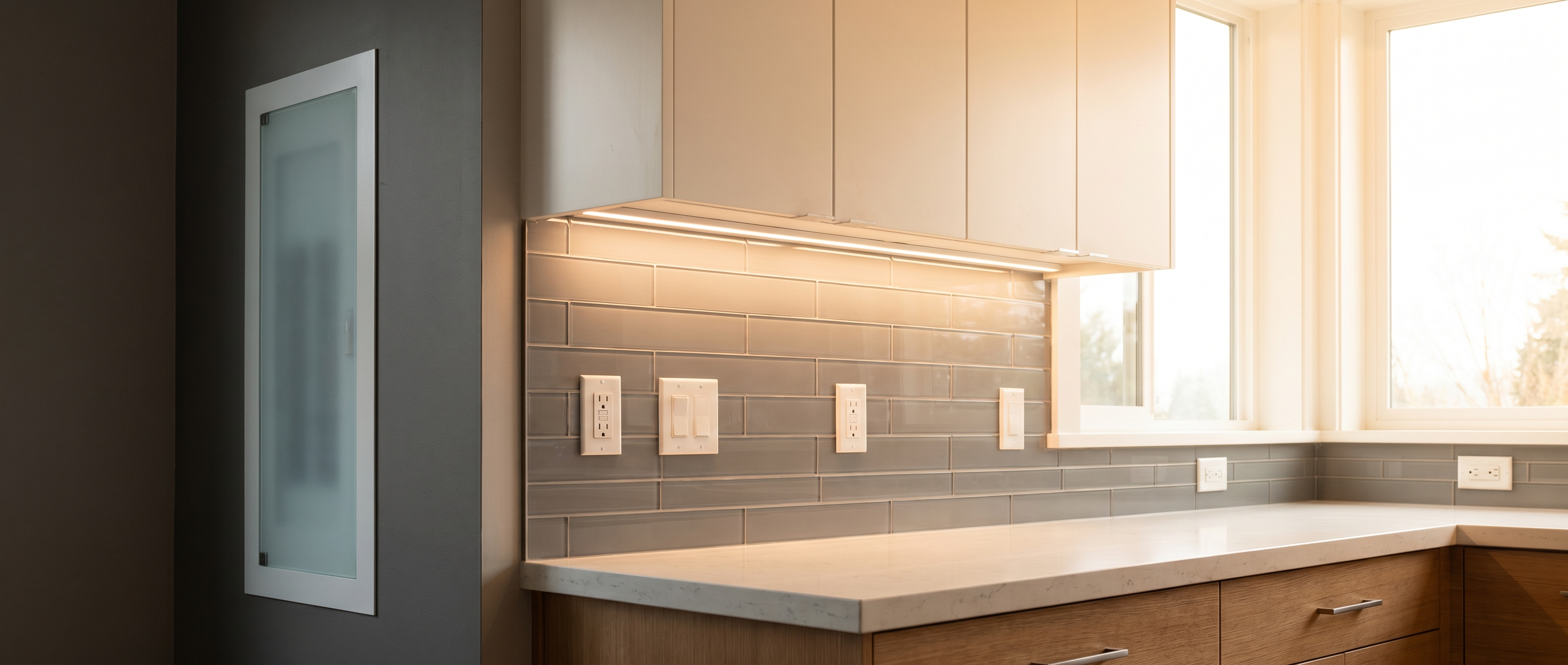
- Quality exhaust fan with humidity sensor (prevents moisture damage that costs thousands to repair)
How to avoid it: Ask your contractor about energy-efficiency upgrades during the planning phase. Most add minimal cost during construction but would be expensive to add later.
Mistake #12: Poor Timing
Timing affects both cost and convenience. A few things to consider in the Pacific Northwest:
Exterior work (decks, siding, windows, roofing) is best scheduled in late spring through early fall when rain is less frequent. Starting a roof project in November is asking for problems.
Interior work (kitchens, bathrooms) can happen year-round, but contractor availability varies. Spring and early fall are the busiest seasons. If you want the best scheduling flexibility and potentially better pricing, plan your project for late fall or winter when demand drops.
Material lead times. Custom cabinets take 4-8 weeks. Specialty tile can take 6+ weeks. If you’re on a tight deadline, verify material availability before committing to a start date. I’ve seen projects delayed by months because a homeowner chose a backsplash tile that was discontinued or a vanity that was back-ordered until the next quarter.
How to avoid it: Start planning 3-6 months before you want construction to begin. Order materials early. Lock in your contractor’s schedule in advance. Rushed timelines create compromises.
The Remodeling Regret Statistics
A Houzz survey found that 74% of homeowners who remodeled in the last five years have at least one regret. The top regrets:
| Regret | Percentage |
|---|---|
| Spent more than planned | 24% |
| Project took too long | 22% |
| Wish they’d changed more | 15% |
| Design choices they’d redo | 13% |
Every one of those regrets ties back to a mistake on this list. Overspending comes from poor budgeting (Mistake #2) and mid-project changes (Mistake #3). Delays come from poor planning (Mistake #3) and material timing (Mistake #12). Design regrets come from chasing trends (Mistake #5) and not living in the space first (Mistake #6).
The homeowners who avoid these mistakes consistently finish on time, on budget, and happy with the result.
Frequently Asked Questions
What is the biggest mistake homeowners make when remodeling?
Choosing a contractor based on price alone. The cheapest bid is almost never the best value. It’s usually missing scope, using inferior materials, or planning to make up the difference in change orders. Get 3 bids, compare line by line, and choose the contractor who gives you the most detailed, honest estimate.
How much contingency should I budget for a remodel?
15-20% of your total project budget. In the Pacific Northwest, where moisture damage and outdated systems are common in older homes, this buffer is essential. A $50,000 project should have $7,500-$10,000 set aside for surprises. Don’t spend this money on upgrades. It’s your insurance against the unknown.
Should I get permits for my remodel?
Yes, whenever required. In Puyallup, permits are needed for plumbing, electrical, structural, and mechanical work. Skipping permits saves $500-$1,500 in the short term but creates insurance problems, resale complications, and potential fines. A licensed contractor handles permits as part of the standard process.
How do I know if a contractor is trustworthy?
Verify their license at lni.wa.gov. Ask for proof of insurance. Get references and actually call them. Review a detailed written estimate with specific line items. Read the contract thoroughly. Pay attention to their communication during the bidding process. If they’re responsive, detailed, and transparent before the project starts, they’ll likely behave the same way during construction.
What remodeling projects have the best ROI?
A minor mid-range kitchen remodel returns about 113% of the investment. Bathroom remodels return 50-70% depending on scope. Flooring replacement, exterior improvements (garage doors, entry doors), and kitchen countertop updates also show strong returns. The projects with the worst ROI are over-customized spaces and luxury upgrades in modest-value neighborhoods.
Ready to Remodel the Right Way?
Avoiding these mistakes starts with choosing the right contractor. I give every potential client a free, no-pressure consultation where I’ll walk through your project, give you honest numbers, and help you plan a remodel that stays on budget and on schedule.
Call me at (253) 392-9266 or reach out through our contact page. I’ll get back to you within one business day.
Brad Zemke, Owner Pacific Remodeling LLC Puyallup, WA