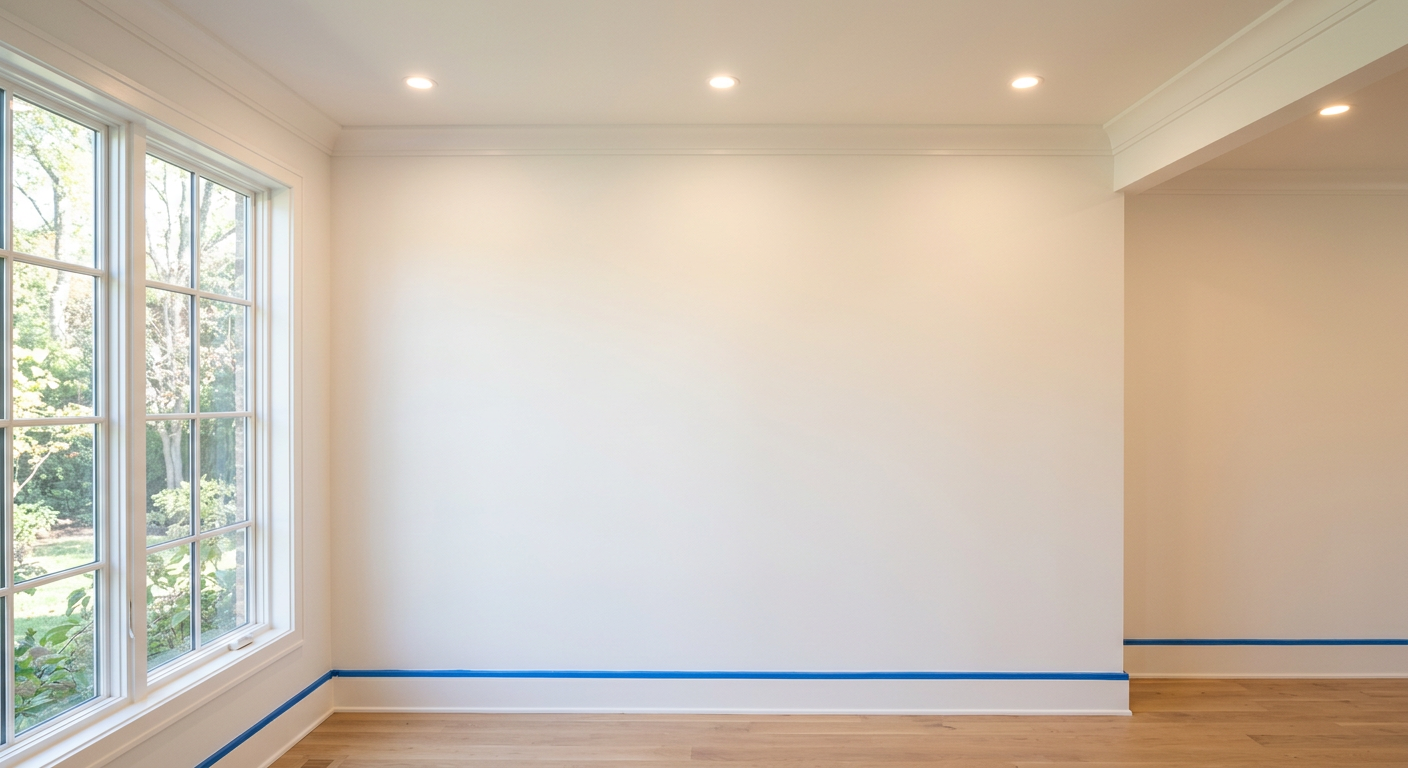
Reliable Drywall Installation: Building Strong and Beautiful Walls
Introduction
Professional drywall installation serves as a foundational element for creating well-finished interior spaces. Whether you’re building a new home, finishing a basement, or renovating a room, drywall installation plays a critical role in residential and commercial construction projects. The quality of your walls and ceilings directly impacts the appearance and feel of every room.
Why Drywall Installation Matters
The installation process impacts multiple aspects of construction quality:
Structural Strength
Proper framing and fastening prevent sagging or cracking over time. When drywall is correctly secured to studs with appropriate screw spacing, it creates a solid, stable wall surface that holds up to everyday life.
Smooth Finishes
Professional taping and mudding create smooth, uniform walls ready for paint, wallpaper, or textured finishes. The difference between a professionally finished wall and an amateur one is immediately visible — smooth, even surfaces with no visible seams, bumps, or ridges.
Durability
Quality installation withstands daily wear without premature deterioration. Properly hung and finished drywall resists impacts, holds fasteners for shelving and artwork, and maintains its appearance for decades.
Efficiency
Skilled installers complete projects on schedule with minimal material waste. Their experience means fewer mistakes, less rework, and a faster path to the finished product.
The Installation Process
Professional drywall installation follows five key stages:
1. Planning and Measurement
Precise calculations minimize seams and reduce waste. Experienced installers plan panel placement to ensure the fewest joints fall in visible areas, creating a cleaner final appearance. They also account for electrical outlets, light switches, windows, and doors.
2. Cutting and Hanging
Sheets are carefully measured, scored, and snapped to fit each space. Panels are secured to framing with proper screw spacing — typically every 12 inches along studs. Ceiling panels go up first, followed by walls, with staggered joints for added strength.
3. Taping and Mudding
Joint compound covers all seams, screw holes, and corners. Paper or mesh tape reinforces the joints, and multiple coats of mud are applied — each one wider and thinner than the last. This feathering technique creates invisible transitions between panels.
4. Sanding and Smoothing
After the joint compound dries completely, surfaces are sanded to create perfectly smooth walls. This step requires patience and skill — too little sanding leaves visible ridges, while too much can damage the paper surface of the drywall.
5. Priming and Finishing
A coat of primer seals the surface and provides a uniform base for the final finish. Whether you’re painting, applying wallpaper, or adding texture, proper priming ensures consistent color and adhesion.
Benefits of Professional Installation
Hiring experienced contractors provides significant advantages over DIY approaches:
- Specialized expertise: Professional installers understand the nuances of different drywall types, joint treatments, and finishing techniques.
- Time efficiency: What might take a homeowner several weekends can be completed by a professional crew in days.
- Cost-effectiveness: Fewer mistakes mean less wasted material and no costly rework.
- Quality assurance: Consistent, professional-grade results throughout your entire project.
- Safety: Drywall sheets are heavy and unwieldy. Professional crews have the equipment and experience to handle materials safely, reducing injury risk.
Drywall Types for Different Applications
Different project requirements call for specific drywall materials:
- Standard Drywall: The go-to choice for general walls and ceilings in dry, interior spaces.
- Moisture-Resistant (Green Board): Engineered for bathrooms and kitchens where humidity levels are elevated.
- Fire-Resistant (Type X): Required by code in garages, utility rooms, and other safety-critical areas. Provides enhanced fire protection with a thicker gypsum core.
- Soundproof Drywall: Features additional layers and damping compounds for superior noise reduction between rooms — ideal for bedrooms, home offices, and media rooms.
Maintenance Tips
Protect your investment and keep your walls looking great with these maintenance practices:
- Avoid excessive moisture: Use proper ventilation in bathrooms and kitchens to prevent moisture damage. Address any plumbing leaks immediately.
- Prevent physical damage: Use door stops, furniture pads, and corner guards in high-traffic areas.
- Perform regular touch-ups: Small dents, nail holes, and scuffs can be patched quickly with spackle and touch-up paint.
- Repaint periodically: A fresh coat of paint every few years protects the drywall surface and keeps rooms looking fresh.
The Bottom Line
Reliable drywall installation is the foundation of a well-finished interior, combining structural support with aesthetic appeal when executed by experienced professionals. Whether you’re remodeling a single room or building out an entire floor, quality drywall work sets the stage for everything that follows.
Get Professional Drywall Installation
Ready to build strong, beautiful walls in your home? Contact Pacific Remodeling today at (253) 392-9266 for expert drywall installation services. From new construction to remodels, our team delivers flawless results you can see and feel.
Ready to Start Your Project?
Contact Pacific Remodeling for a free, no-obligation estimate on your kitchen or bathroom remodeling project.
Get Your Free Estimate